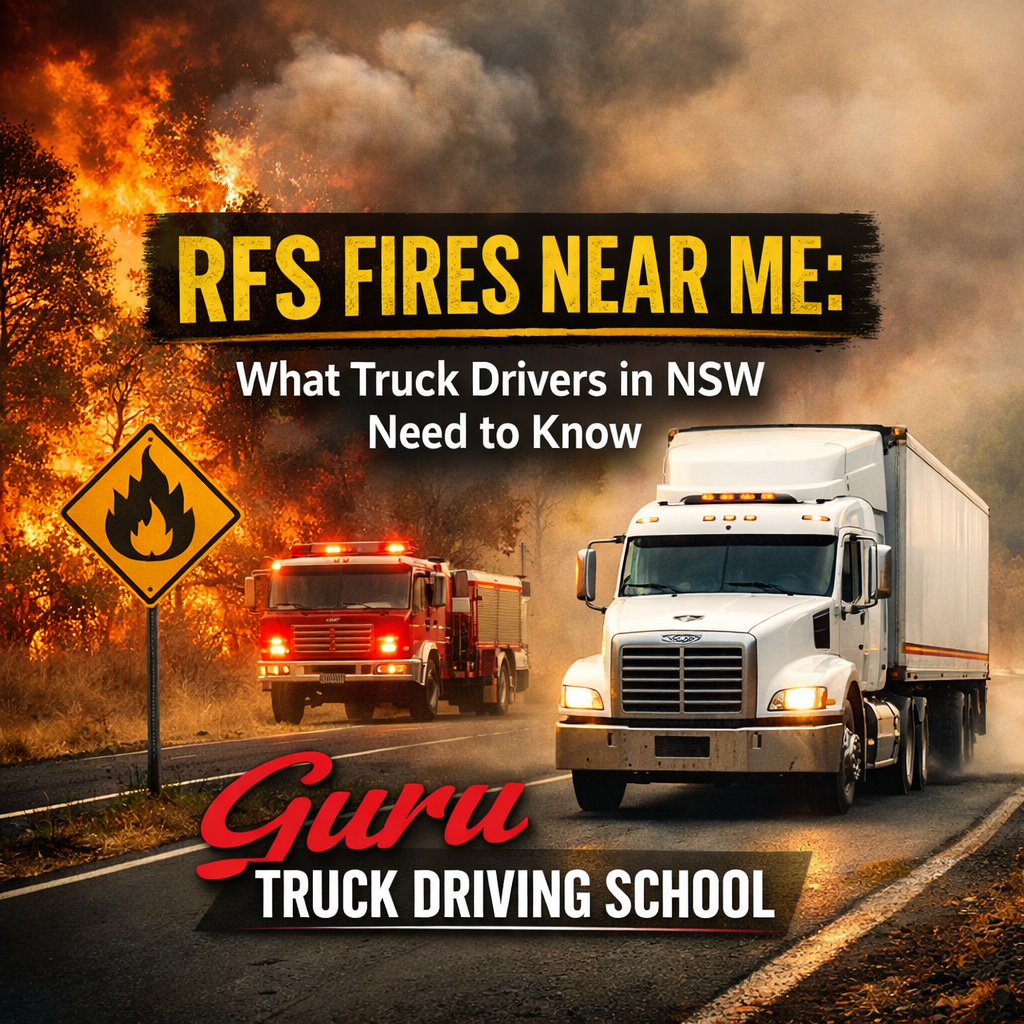
Bushfires are an unfortunate reality in Australia, especially across New South Wales. Every year, drivers search online for “RFS fires near me” to stay updated about active bushfires, road closures, and emergency warnings. For truck drivers, this information is not just helpful—it can be critical for safety, compliance, and route planning.
Heavy vehicles operate differently from cars. Longer stopping distances, limited maneuverability, and hazardous cargo make bushfire awareness an essential skill for professional drivers. This is why modern truck driver training must include real-world emergency preparedness, not just basic vehicle handling.
Understanding “RFS Fires Near Me” Alerts
The Rural Fire Service (RFS) provides real-time information about bushfires across NSW. When drivers search for “RFS fires near me,” they are typically looking for:
- Active bushfires or grassfires nearby
- Road closures or detours
- Smoke warnings and reduced visibility zones
- Emergency evacuation areas
- Safety advice for motorists
For truck drivers traveling long distances, these alerts can change a route within minutes. Ignoring them can result in delays, fines, damaged vehicles, or even life-threatening situations.
How Bushfires Impact Truck Drivers Differently
Unlike private vehicles, trucks face unique challenges during bushfires:
1. Reduced Visibility
Smoke can drastically reduce visibility, making it difficult to see traffic signals, emergency vehicles, or sudden roadblocks. For large trucks, stopping suddenly is dangerous.
2. Road Closures & Detours
Bushfires often lead to last-minute road closures. Detours may not always be suitable for heavy vehicles due to weight limits, bridge clearances, or narrow roads.
3. Tyre, Brake & Engine Risks
Extreme heat from nearby fires can affect tyre pressure, braking efficiency, and engine temperature—especially in loaded trucks.
4. Emergency Vehicle Priority
Fire trucks, police, and ambulances have priority access. Truck drivers must know how to safely pull over and respond during emergency operations.
Why Truck Drivers Must Monitor RFS Fire Alerts
Searching for “RFS fires near me” before and during a trip should be a habit, not an afterthought. Responsible drivers should:
- Check fire alerts before starting long hauls
- Monitor updates during rest breaks
- Use official RFS or Hazards Near Me platforms
- Avoid high-risk areas during extreme fire danger days
Professional driving is not just about reaching the destination—it’s about making safe decisions under pressure.
Emergency Awareness in Truck Driver Training
Modern truck driver training goes far beyond passing a licence test. Quality training programs now focus on situational awareness, including how to respond during emergencies such as bushfires.
At Guru Truck Driving School, learners are guided through real-world scenarios that reflect actual NSW driving conditions. This includes understanding how bushfires, RFS alerts, and emergency road conditions can affect truck operations.
Training emphasizes:
- Defensive driving in low visibility
- Route planning during emergency conditions
- Safe stopping and parking procedures
- Legal responsibilities during road closures
- Driver decision-making under stress
This type of preparedness builds confidence and professionalism—qualities every employer values.
Legal Responsibilities During Bushfires
When RFS issues warnings or authorities close roads, truck drivers are legally required to comply. Ignoring restrictions can lead to:
- Heavy fines
- Licence suspension
- Insurance issues
- Endangering lives
Truck drivers must understand that emergency instructions override delivery deadlines. Safety always comes first.
Tips for Truck Drivers During RFS Fire Conditions
Here are practical tips every truck driver should follow when bushfires are active:
- Plan routes carefully: Avoid fire-prone regions on high-risk days
- Keep headlights on: Improves visibility in smoky conditions
- Maintain safe distances: Smoke can hide stopped vehicles
- Carry emergency supplies: Water, mask, torch, phone charger
- Follow official advice: Never rely on rumours or social media
Searching “RFS fires near me” regularly can help drivers make smarter, safer choices.
Why Employers Prefer Fire-Aware Drivers
Transport companies increasingly value drivers who understand emergency procedures. Drivers trained to respond correctly during bushfires:
- Reduce accident risks
- Protect company assets
- Maintain compliance with road authorities
- Demonstrate professionalism
This is why choosing the right truck driving school matters—not just for passing a test, but for building a long-term career.
Final Thoughts: Safety Is a Professional Skill
Bushfires are unpredictable, but preparedness is not. Knowing how to respond when RFS fires near me appear on alerts can make the difference between a safe journey and a dangerous situation.
Truck drivers who stay informed, trained, and alert are better equipped to handle Australia’s challenging conditions. With proper training, real-world awareness, and respect for emergency warnings, drivers can protect themselves, their vehicles, and everyone else on the road.
If you’re planning a career in trucking—or upgrading your licence—choose training that prepares you for real Australian driving conditions, not just the test.
How often should drivers check RFS fire updates?
Drivers should check fire alerts before starting a trip, during breaks, and whenever weather conditions worsen. Searching “RFS fires near me” regularly helps drivers stay updated with the latest safety information.
Why is bushfire awareness important for a trucking career?
Employers prefer drivers who understand safety beyond basic driving skills. Bushfire-aware drivers reduce accident risks, protect vehicles and cargo, and demonstrate professionalism under emergency conditions.
What should truck drivers do if they encounter an active fire?
Truck drivers should slow down, turn on headlights, maintain safe distance, and follow emergency instructions. If advised to stop or reroute, they must comply immediately. Never attempt to drive through fire or dense smoke.
Does truck driver training include bushfire safety?
Yes, quality truck driver training includes emergency awareness. At Guru Truck Driving School, learners are trained to understand real-world risks such as bushfires, emergency alerts, and safe decision-making during hazardous road conditions.
Is it illegal to drive through bushfire-affected roads?
If a road is officially closed by authorities or marked as restricted, driving through it is illegal and dangerous. Truck drivers must follow RFS and police instructions at all times, even if delivery schedules are affected.
Why should truck drivers check RFS fires near me alerts?
Truck drivers operate heavy vehicles that require longer stopping distances and careful route planning. RFS fire alerts help drivers avoid dangerous areas, sudden road closures, poor visibility due to smoke, and emergency response zones, ensuring safer and more compliant driving.
 Join Guru Truck Driving School today and drive your future forward.
Start Your Truck Driving Career Today
If you’re ready for a stable career with strong demand and great pay, contact:
0433 266 831
https://gurutruckdrivingschool.com.au/
For Website Design & Development | SEO Optimization & Content | UI/UX Design
Contact : Reelcrafted | View Website | 91 9815081200